Winter hits fast in Washington. Snow drops into the foothills. Days get short. Trails change overnight. This guide helps you pick safe, simple routes from December through February.
Start with low elevation trails
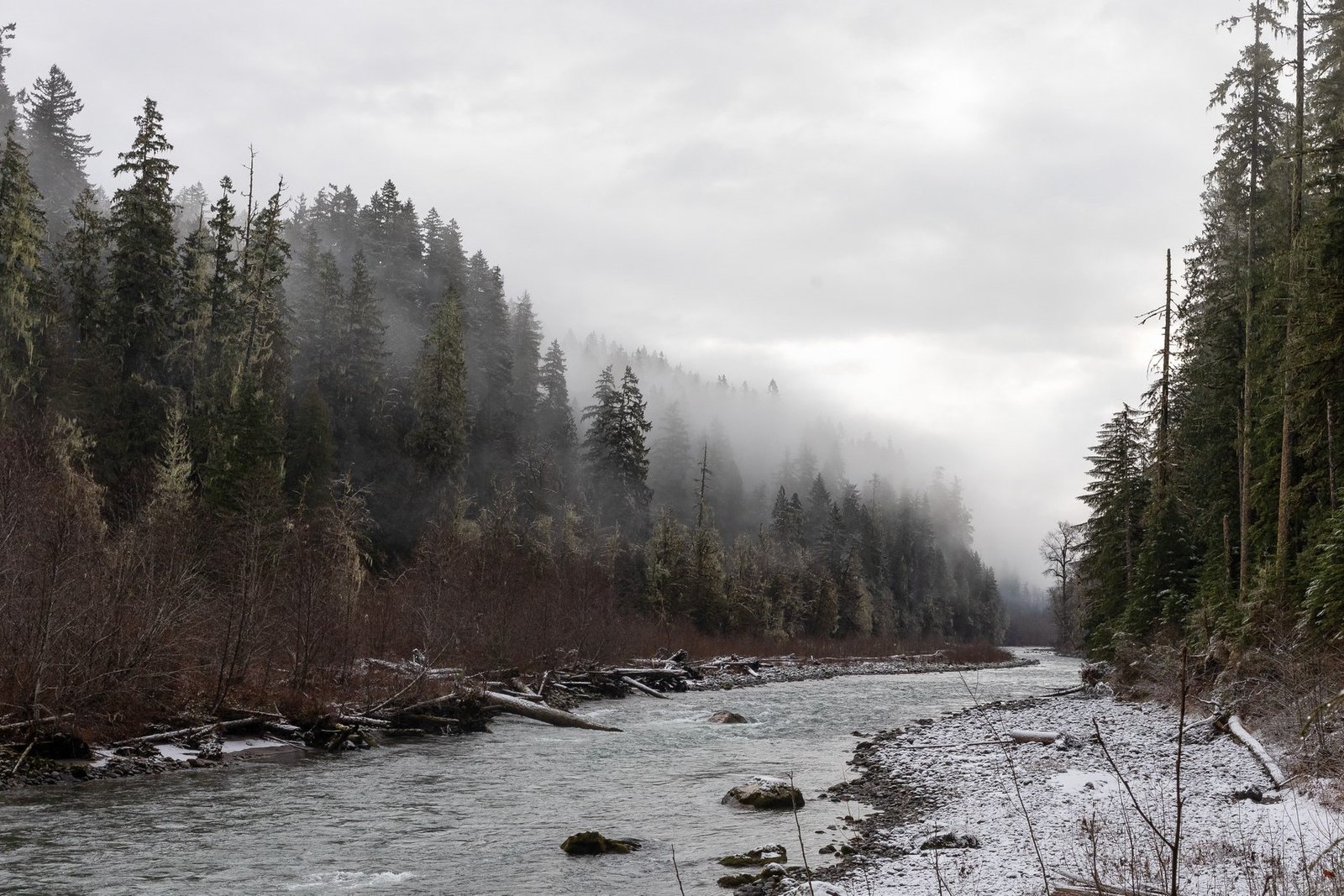
Washington has many winter friendly trails that avoid deep snow. These are great for new hikers and families.
Look for trails below 2,500 feet. These spots often stay open or get only light snow. Check conditions before you go. A calm morning in town can still bring icy corners in the foothills.
Low elevation routes also mean easier driving. If passes look rough on WSDOT’s road conditions page, choose something closer to home.
Good winter categories:
- River walks
- Forest loops
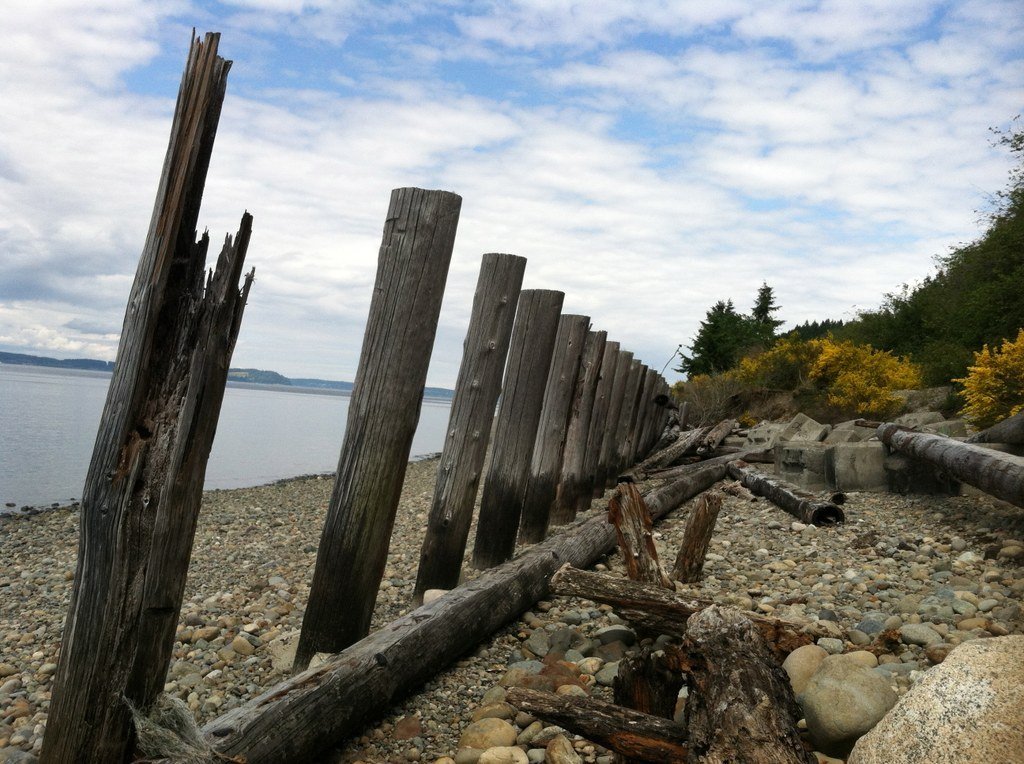
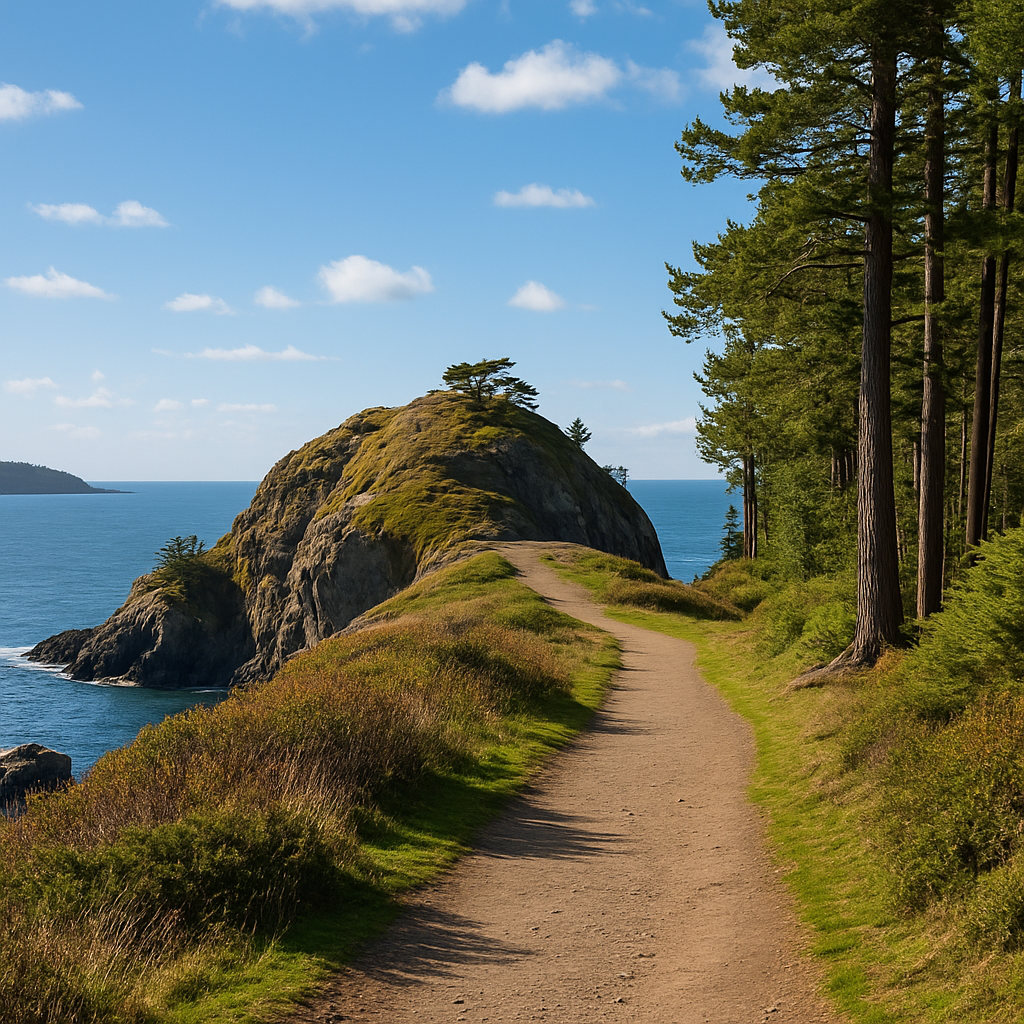
- Coastal bluff hikes
These give you winter color, good footing and fewer risks.
Pack simple winter gear
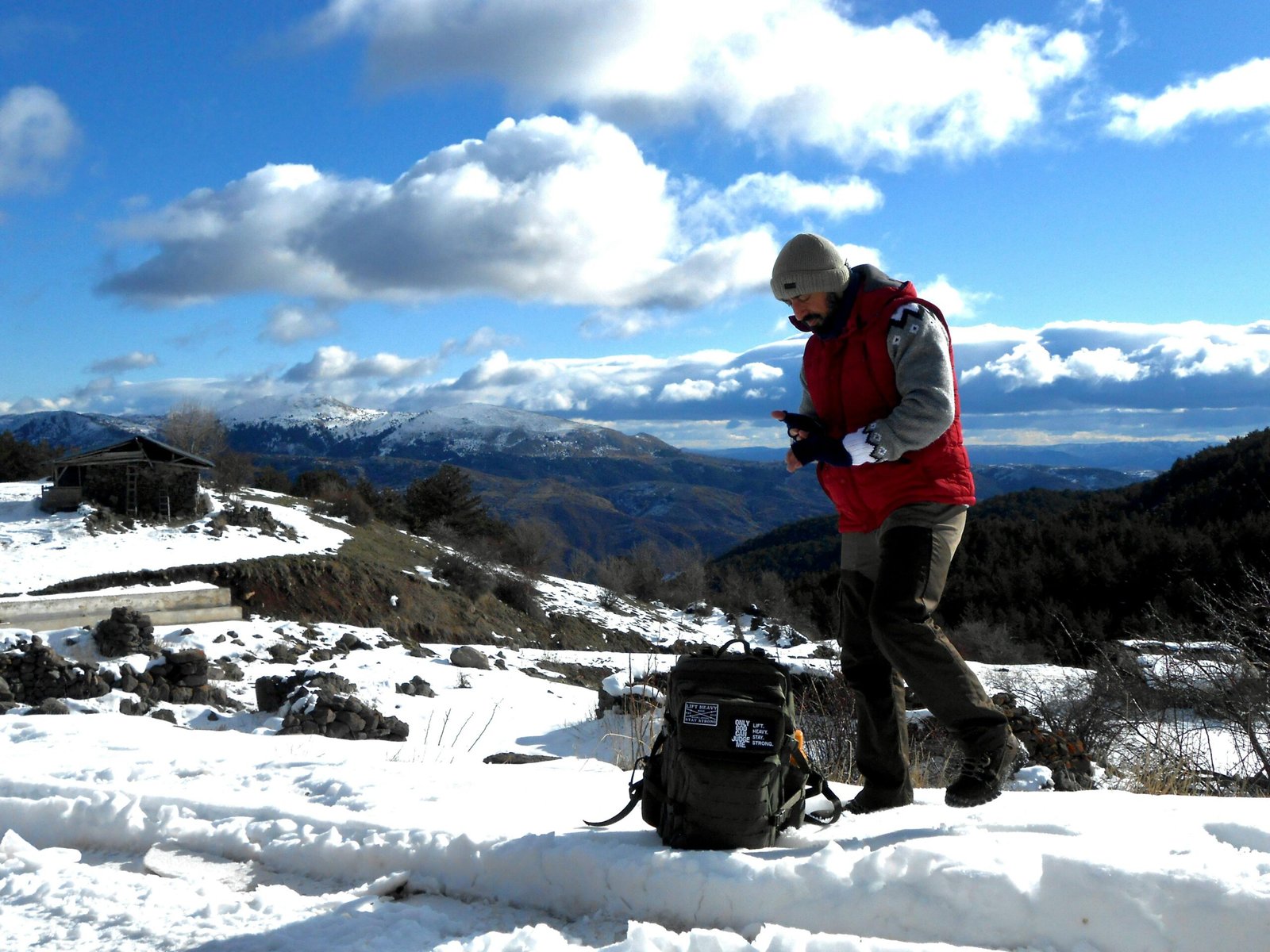
Winter hiking in Washington does not always require snowshoes. But you still need basic safety gear.
Pack:
- Microspikes
- Warm layers
- Gloves
- Hat
- Waterproof boots
- Headlamp
- Dry backup base layer
Check weather with NOAA.
Check trail conditions with WTA trip reports.
Check road conditions with WSDOT.
Five winter friendly trails across Washington
These routes stay popular from early winter through the season. They offer good access, forest cover and solid footing.
Twin Falls, North Bend
A great first winter hike with forest cover and a big waterfall. Mud is common. Microspikes help on icy corners. See recent posts on WTA.
Ebey’s Landing, Whidbey Island
A beautiful coastal bluff with views over the Strait. Winds get strong in winter, so bring layers. Check conditions through NPS: Ebey’s Reserve.
Coal Creek Falls, Cougar Mountain
Close to Seattle and at a good winter elevation. The falls look best after rain. Good traction helps on slick spots.
Wallace Falls, Gold Bar
A year round classic. Expect ice in shaded areas. Bring spikes. Trip reports on WTA show recent conditions.
Cape Disappointment, Long Beach
Short trails lead to lighthouses and dramatic storm views. Stay back from wet rocks. Good place for winter coastal hikes. Trail info on Washington State Parks.
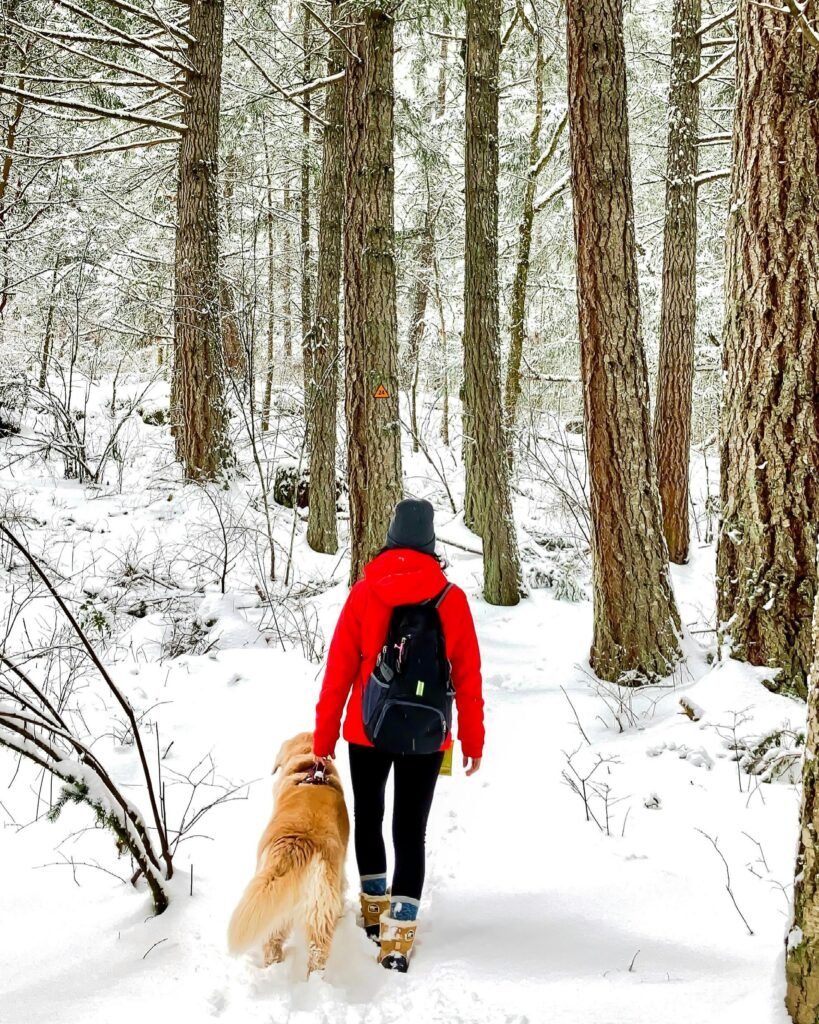
Looking for a few more hikes? Here are a few waterfalls that you might enjoy.
Know the hazards on Washington winter trails
Winter brings more than snow.
Ice: Shaded corners and bridges freeze early.
Wind: Coastal and ridge routes can feel much colder.
Short daylight: Always bring a headlamp.
At higher elevations, avalanche terrain becomes a major risk. Check NWAC before heading into any area with open slopes or bowls.
Check weather, trail reports and roads
Use:
- NOAA Forecast for weather
- WTA Trip Reports for recent photos and trail notes
- WSDOT Pass Reports for updated road access
- NWAC for avalanche risk
Washington’s microclimates change fast. Plans may shift at the trailhead. Choose the safer option when in doubt.
Warm up and reset after the hike
Cold weather drains energy quickly. When you get back to the car:
- Change into dry clothes
- Eat a snack
- Drink water
- Pack gear dry for next time
Salt and winter grit can damage traction devices. Rinse them and let them dry at home.
The takeaway
Winter hiking in Washington is safe and simple with the right prep. Stick to low elevation trails. Pack traction. Check weather and conditions. Pick routes that match your comfort level. Winter brings calm forests, bright coastlines and a fresh way to explore the state.
When you purchase through links on our site, we may earn an affiliate commission