By late January, a lot of people in the Pacific Northwest decide to wait it out. They tell themselves they’ll get back outside when the skies clear, the days get longer, or the weather feels more cooperative.
That wait is a mistake.
For those who know the region, this stretch of gray days is not a problem to endure. It’s an advantage to use.
The Pacific Northwest was built for overcast weather. Late January proves it.
Gray Does Not Mean Bad Conditions
Overcast days get lumped into the same category as storms, but they are not the same thing. Late January gray usually means stable temperatures, light precipitation, and predictable conditions. That matters.
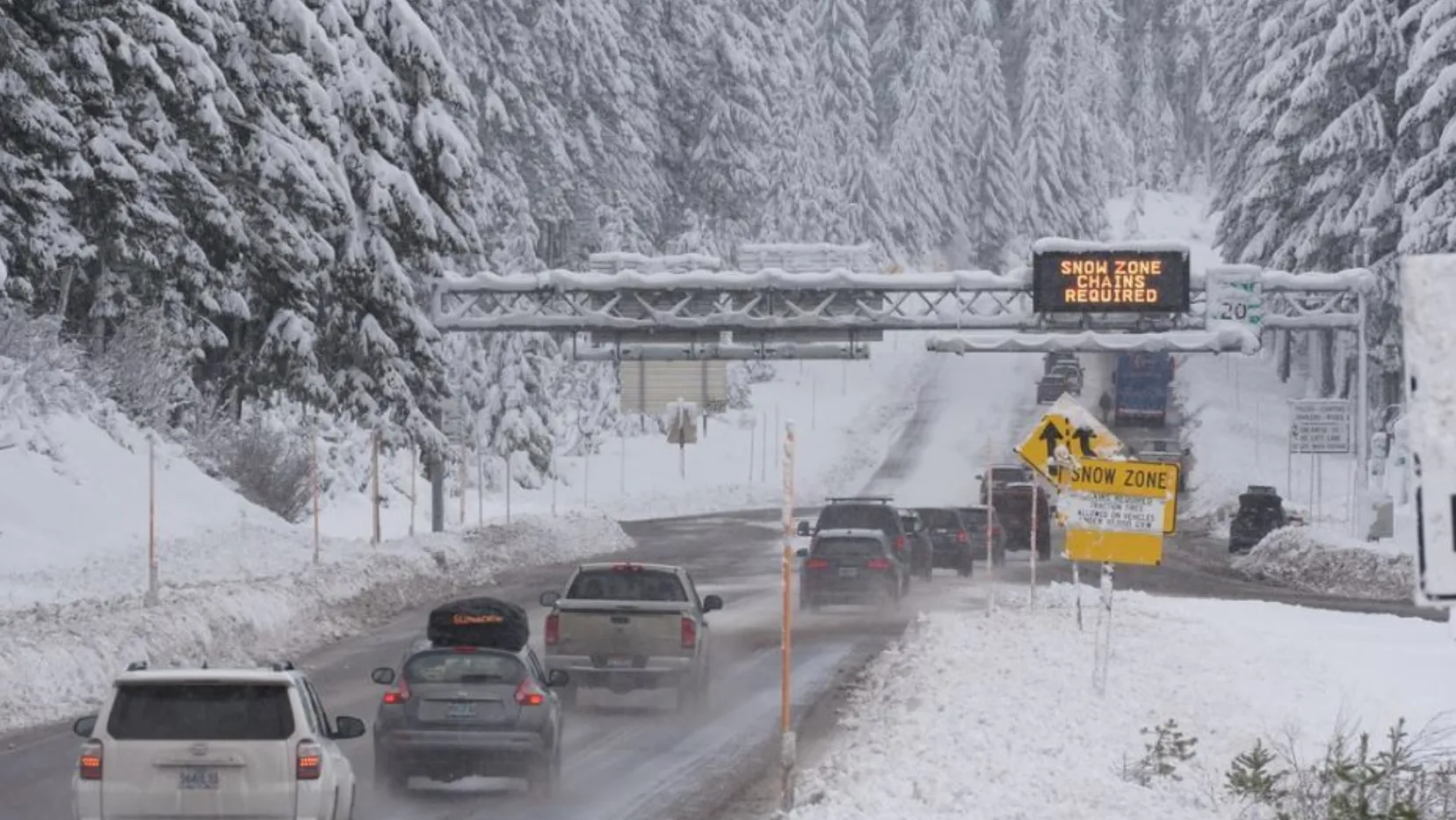
Cool air keeps you from overheating on climbs. Moist soil reduces dust and improves traction on many forest trails. Snow levels tend to hold steady instead of swinging wildly like they do during early winter storms.
For hikers, runners, and anyone moving through the woods, these conditions are often easier on the body and simpler to manage.
You can move longer without fighting heat. You can layer once and stay comfortable. You can focus on the terrain instead of constantly adjusting for extremes.
Fewer Crowds, Better Experiences
One of the biggest advantages of the gray season is simple. Fewer people show up.
January overcast days empty trailheads in a way that summer never does. Popular routes that are packed from May through October become quiet again. Parking is easier. Wildlife is more active. The woods feel like woods, not a queue.
This is especially noticeable at lower elevations where snow has not fully taken over. Foothill trails, coastal forests, and river corridors all see a sharp drop in traffic once the holiday season ends.
If solitude matters to you, late January delivers it without requiring extreme conditions or long drives.
The Forest Looks Better Than You Think
Gray light gets a bad reputation because it does not photograph like blue skies. But for anyone paying attention, overcast days are when the Pacific Northwest looks the most like itself.
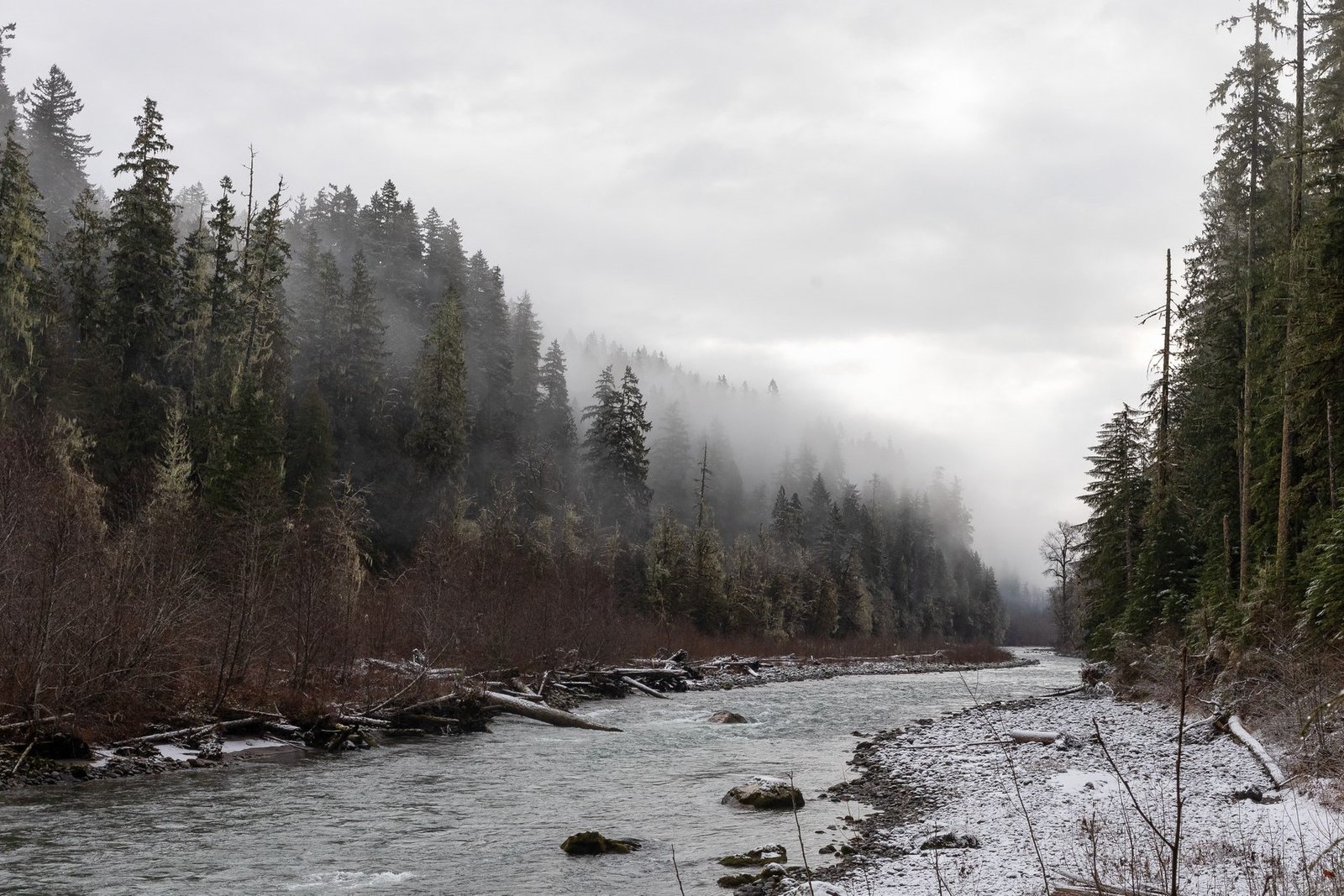
Moss glows. Ferns stand out. Waterfalls run full and loud. Fog softens the edges of the forest and makes familiar places feel new.
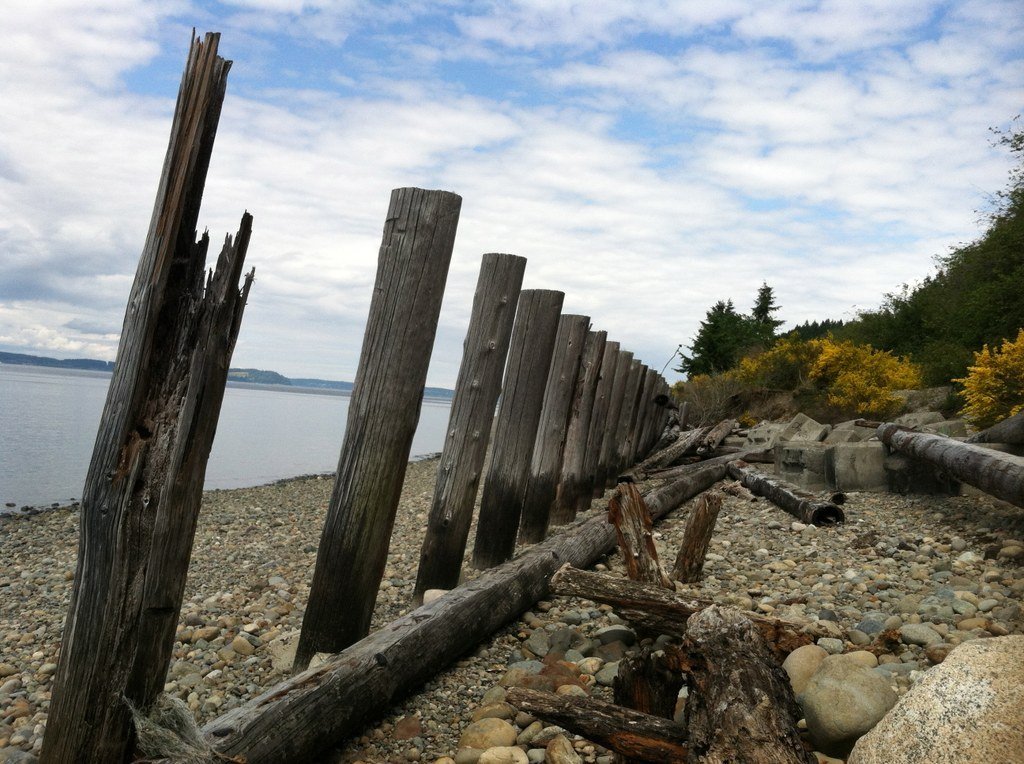
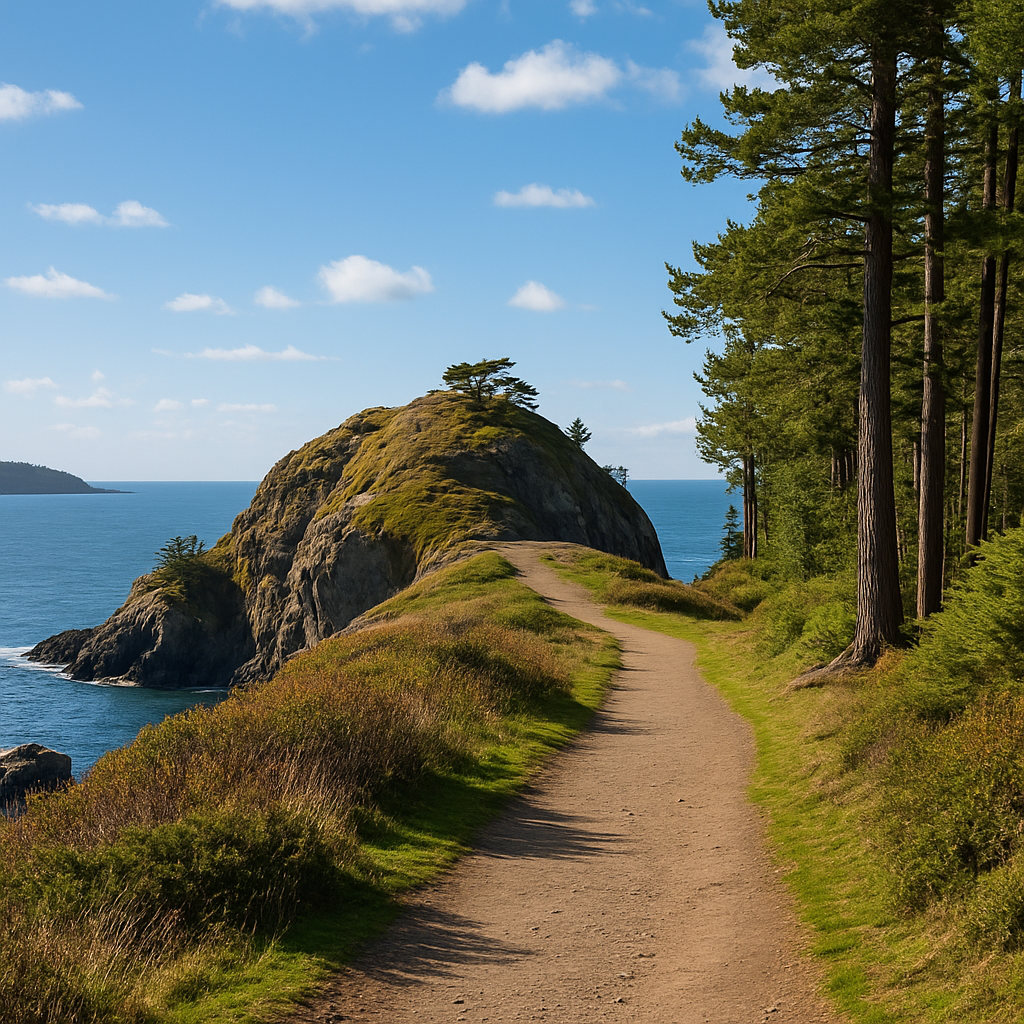
Rainforests on the Olympic Peninsula come alive in this light. Coastal headlands feel moody and raw instead of crowded and staged. Even suburban trail systems take on depth and texture when the light is flat and forgiving.
This is not postcard weather. It is character weather.
Safer Than Shoulder Seasons in Disguise
Late January gray is often safer than the weeks on either side of it.
Early winter can bring rapid snow level changes, freezing rain, and unpredictable storms. Late winter and early spring introduce freeze thaw cycles that turn trails into ice rinks.
By comparison, mid to late January tends to settle into a rhythm. Temperatures hover in a narrow range. Precipitation is steady instead of explosive. Avalanche conditions, while still serious at higher elevations, are more consistent and better documented.
This does not mean risk disappears. It means risk is easier to plan around.
That predictability rewards people who pay attention.
The Mental Advantage
There is a quiet mental benefit to gray season outings that does not get talked about enough.
Overcast days remove the pressure to perform. There is no perfect summit photo waiting. No golden hour chase. No rush to maximize daylight for bragging rights.
You go outside to move, to breathe, and to reset.
For many people, especially veterans and those dealing with stress or burnout, this matters more than scenery. Gray days allow space to think without distraction. They slow the pace and lower expectations in a healthy way.
You do not have to conquer anything. You just have to show up.
Dressing for Gray Is Easier Than You Think
Late January gray weather is easier to dress for than mixed storm days.
The key is moisture management, not insulation. A solid rain shell, breathable layers, and waterproof footwear go a long way. You are more likely to deal with dampness than deep cold.
Because temperatures are moderate, you can adjust on the move without stopping constantly. Sweat management becomes simpler. Hands and feet stay warmer than they do in dry cold.
Prepared correctly, gray days are comfortable days.
Why Locals Know Better
Ask long time Pacific Northwest outdoors people when they prefer to go out, and many will point to January.
They know the crowds are gone. They know the trails are quieter. They know the forest feels honest this time of year.
Gray season separates those who chase conditions from those who understand them.
It is not about toughness. It is about timing.
Make the Gray Work for You
Late January is not a waiting room for better weather. It is a season with its own strengths.
Choose lower elevation routes. Plan shorter days. Watch forecasts for stability, not sunshine. Bring good layers and realistic expectations.
If you can learn to appreciate the gray, the Pacific Northwest opens up in ways most people never see.
The advantage is not the lack of sun.
The advantage is everything else that comes with it.