Winter is a tricky season for getting outside near Joint Base Lewis McChord. The mountains hold deep snow and the daylight window stays short. But the lowlands around the base offer dependable trails that stay open almost every day of the season. These routes give you space to move, breathe, and stay active without needing winter gear or a long drive.
Each trail below works well in December because the terrain stays simple, the distances are manageable, and the weather impact is predictable. These are the spots service members and families can count on when the rest of the region feels locked down by storms.
Foggy Forest Walks at Sequalitchew Creek Trail
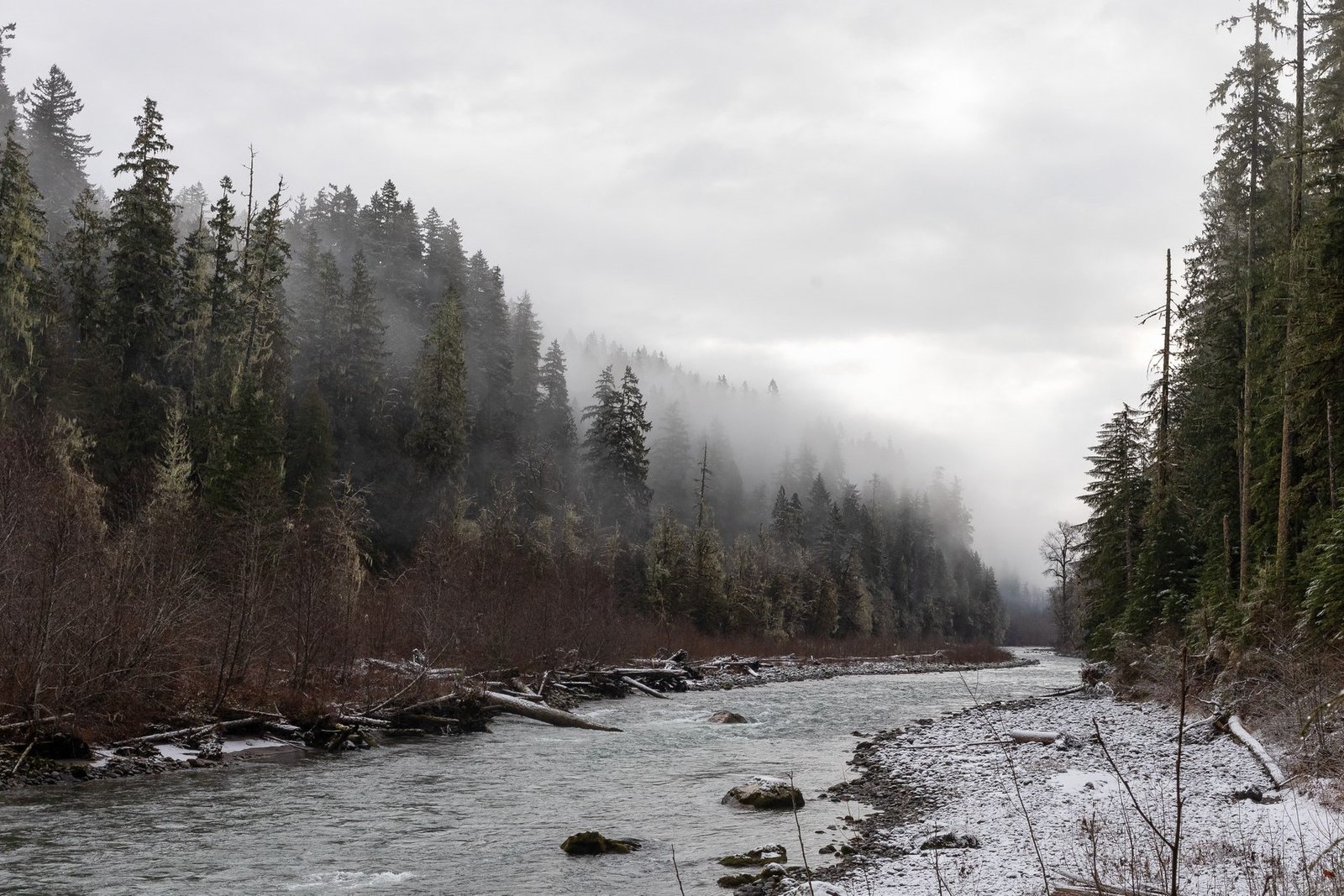
This DuPont trail feels close to nature while staying minutes from base. In winter, the forest fills with fog after cool nights, and the damp air hangs low over the creek. The trail surface is a mix of paved and packed gravel, which helps keep footing stable even in wet weather. At roughly three miles round trip, the distance matches short December days.
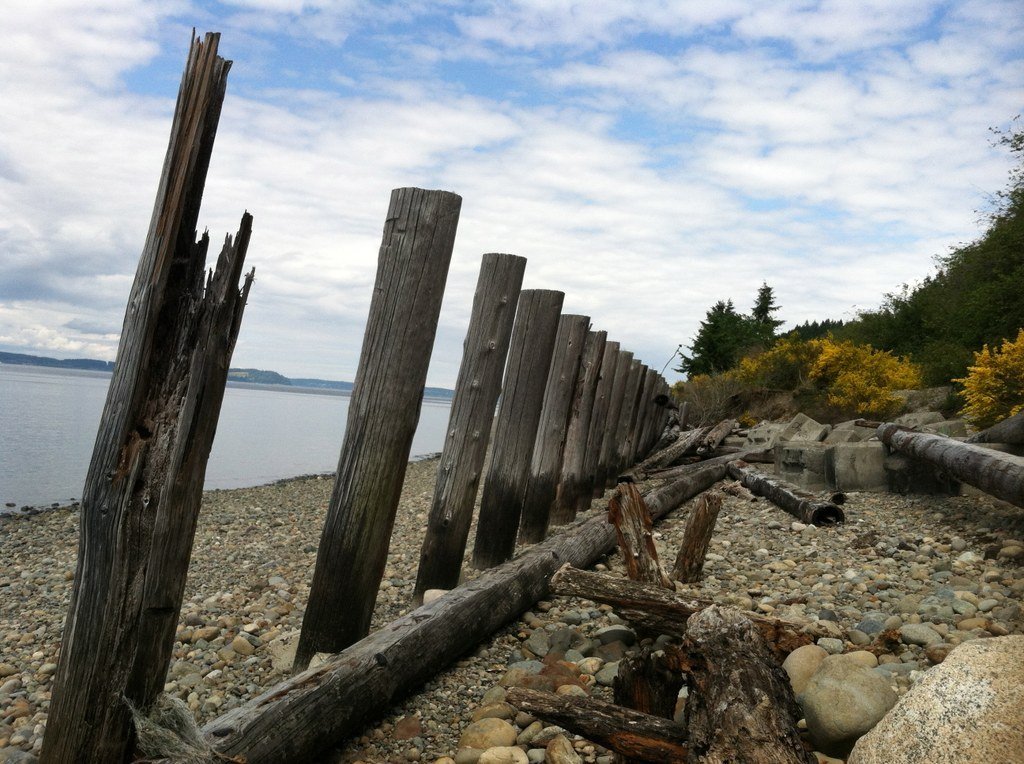
The trail drops toward Puget Sound where you get a quiet shoreline view. Winter tides bring logs and seabirds close to shore. Dress warm because the breeze near the water feels colder than the forecast. People often talk about how steady this trail feels on stormy weeks because it gives you a break without making you climb into the hills.
Open Wetland Views on the Nisqually Wildlife Refuge Boardwalk
The Nisqually boardwalk stretches over a broad marsh that stays lively in winter. This time of year, thousands of migrating ducks, geese, and hawks rest in the delta. The boardwalk sits high above the wetlands, which gives a sense of openness you do not get on forested trails. December skies often stay gray, but when they lift, you see big views across the refuge.
The boardwalk is smooth and wide, making it a safe option on wet days. Expect cool wind across the open sections, so gloves and a hat help. The full walk runs about four miles depending on which loops you choose. Winter is also a great time for photography because the light stays soft and the crowds are smaller than in summer.
Green, Calm December Miles in Chambers Creek Canyon
Chambers Creek Canyon sits tucked between University Place and Lakewood, yet it feels far from town. In winter the canyon fills with the steady sound of water moving through the rocks. The soil stays damp all season, which keeps moss and ferns bright green. This trail is not completely flat, but the grades are gentle and the route stays protected from high winds.
December storms can leave muddy patches, so waterproof shoes help. Many people like this spot after work because it is close to base and offers a peaceful setting. The canyon walls block wind and soften the sound, which makes the walk feel slower than it really is. Dogs and families use the trail year round, so it has a friendly community feel no matter the weather.
Steady Woods and Shoreline Paths at Tolmie State Park
Tolmie sits north of JBLM and offers a mix of forest trails, beach access, and simple loop paths. Winter tides bring strong currents to the inlet, and the beach often looks completely different from week to week. The forest trails cut through old cedars and firs that stay green all year. Some parts get slick after heavy rain, but most of the terrain is manageable for all experience levels.
A big advantage of Tolmie in December is parking. The lot stays much less crowded, and you can come and go quickly when weather shifts. Keep a close eye on tide tables if you plan to walk the beach. Winter storms can push water higher than expected, but the forest loops give you a safe alternative when conditions change.
Cold-Weather Benefits of Lowland Trails
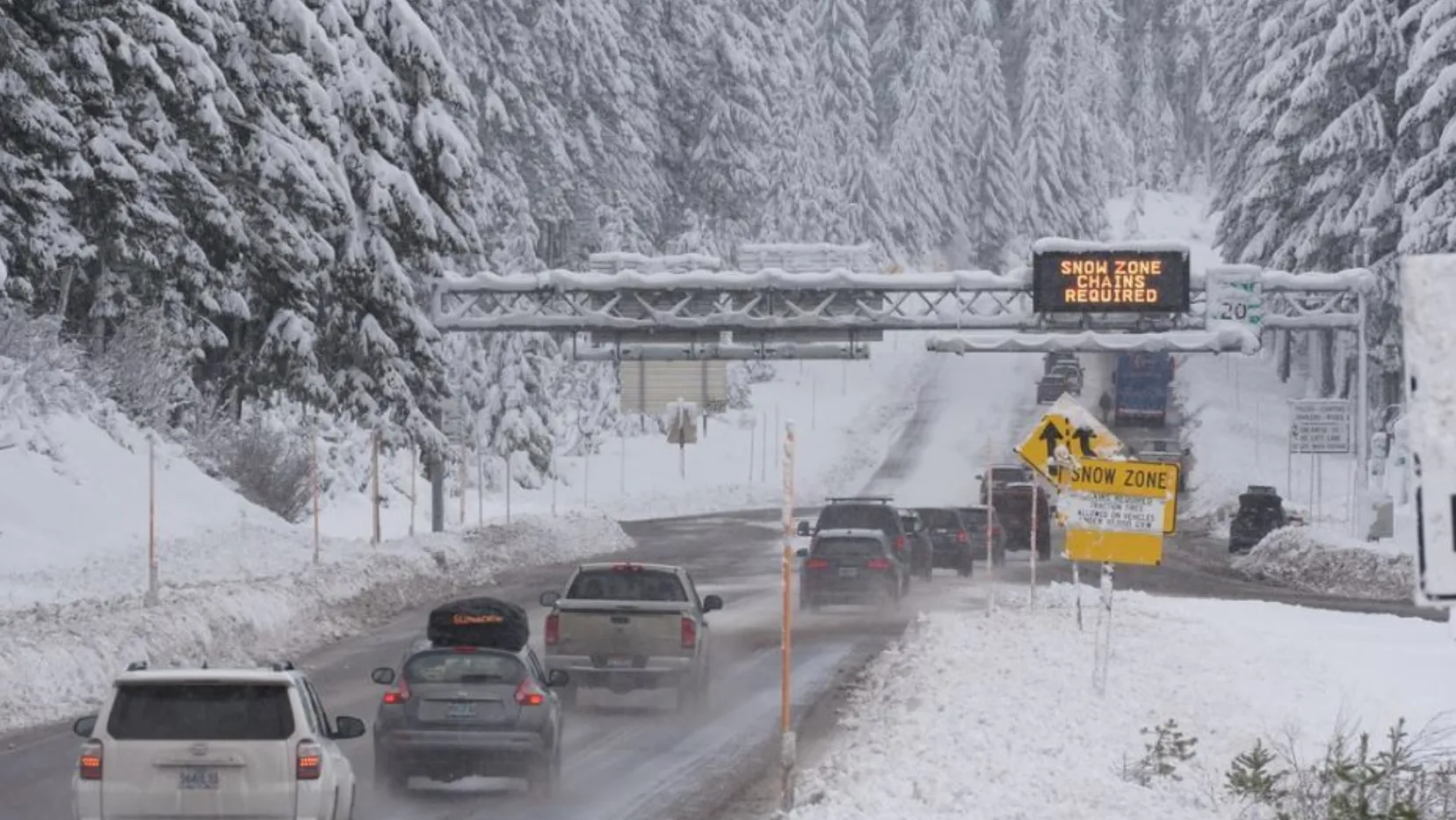
Winter makes high-elevation travel harder and less predictable. Snow, ice, and road closures can turn a simple outing into an intense, gear-heavy trip. Lowland trails give you a safe, realistic alternative. You do not need traction devices, avalanche awareness, or long drives to enjoy these parts of the PNW. Instead, you can build simple outdoor routines that match your schedule.
These trails also bring consistent scenery during the darker months. Evergreen forests, tidal flats, marsh wildlife, and foggy mornings feel unique to the winter season. Many people find these small details help them stay grounded during weeks that feel rushed or weather-heavy.
Tips for Winter Walking Near JBLM
Winter in western Washington changes fast. Planning for small shifts in conditions helps keep your outings smooth. Wear layers so you can adjust as you warm up on the trail. Bring a small light or headlamp because sunsets come early in December. If you plan to walk near the shoreline, check tides and wind forecasts before you go.
Most lowland trails stay open almost every day of winter, but storms can lead to temporary closures. A quick check of park sites or local updates avoids surprises. Waterproof or water-resistant shoes make a big difference on muddy routes, and a simple thermos of warm tea or coffee keeps the chill off when you reach the car.
Why These Trails Matter in Winter
Getting outside in December does not need to be complicated. These JBLM-area trails give service members and families steady options that work in the rain, fog, and cold. They stay open, they stay safe, and they help you keep an outdoor routine during the toughest stretch of the year.
Affiliate Disclosure:
OutdoorsNW is dedicated to providing helpful and inspiring content about outdoor adventures. To support our work, this article may contain affiliate links. This means that if you click on a link and make a purchase, OutdoorsNW may earn a small commission at no extra cost to you. We only recommend products and services we believe in and that align with our passion for the outdoors.